
How to Polish Aluminum to a Mirror Finish
Posted by Flitz Premium Polishing Products on 18th Jul 2022
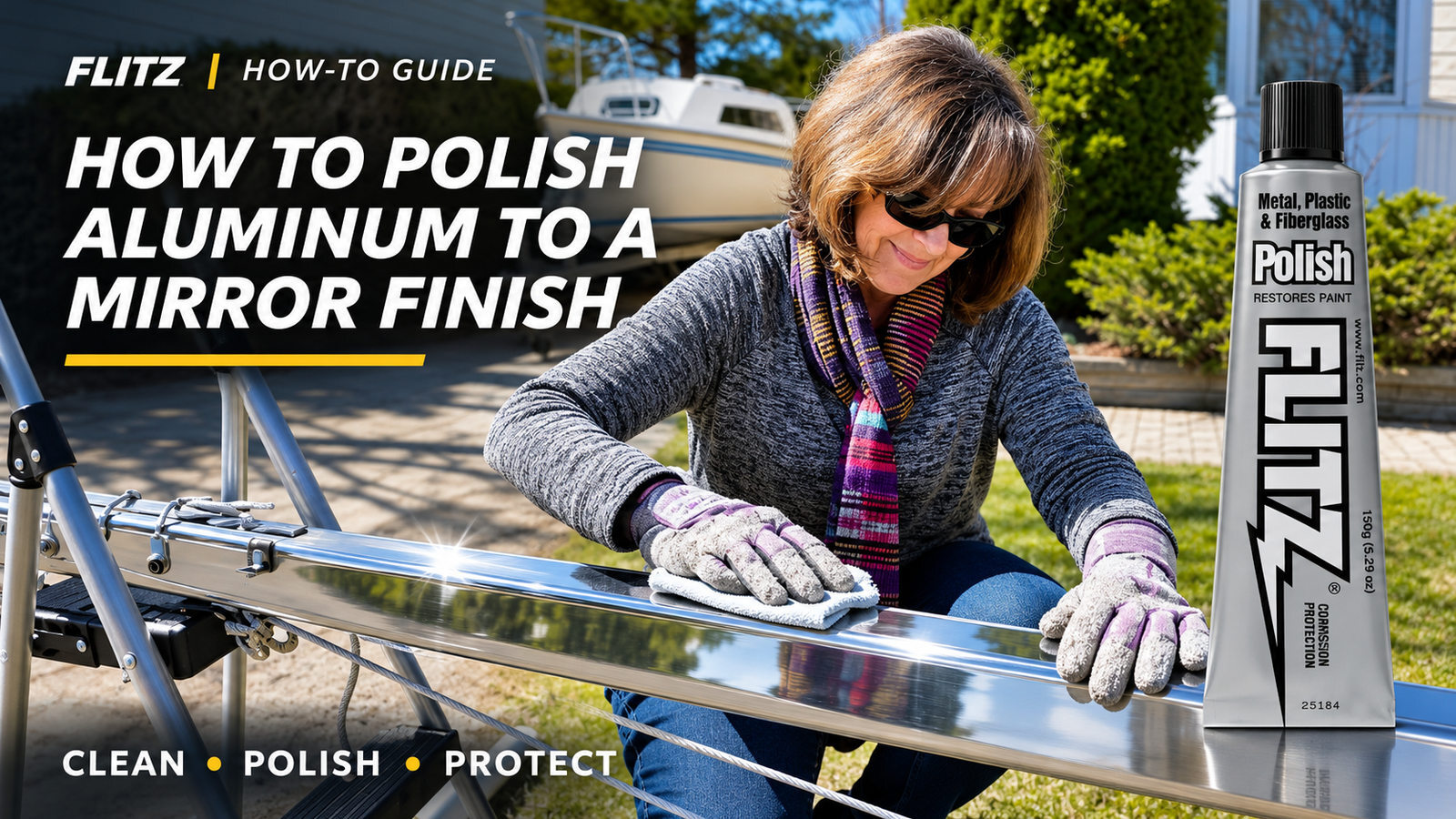
Aluminum can develop oxidation, dullness, and stains that hide its natural shine. With the right cleaning and polishing process, bare aluminum can be polished to a bright, mirror-like finish that looks almost like chrome.
Whether you're restoring aluminum trim, polishing sheet metal, or bringing weathered aluminum back to life, knowing how to polish aluminum to a mirror finish starts with understanding the surface and choosing the right techniques.
The Flitz approach is simple: Clean. Polish. Protect.
Here's how to prepare aluminum, remove oxidation, develop a reflective finish, and keep that shine looking its best.
What Does a Mirror Finish on Aluminum Mean?
A mirror finish is a highly reflective surface that can show clear reflections of surrounding objects. While ordinary aluminum polishing improves brightness and removes dullness, achieving a mirror-like finish often requires additional surface preparation and repeated buffing.
Aluminum can be polished to different levels of shine:
- Satin finish: A soft, even appearance with limited reflection.
- Bright polished finish: A smoother, shinier surface with noticeable reflectivity.
- Mirror finish: A highly reflective surface with minimal visible haze or surface imperfections.
The final result depends on the type of aluminum, its original texture, and the condition of the metal.
Although polished aluminum can look similar to chrome, it is still aluminum—not chrome plating.
Before You Polish: Identify the Aluminum Surface
Before attempting to polish aluminum to a mirror finish, determine whether you're working with bare metal or a protected surface.
Bare Aluminum
Uncoated aluminum is generally the best candidate for mirror polishing. Proper cleaning and polishing can improve its appearance and produce a bright, reflective finish.
Smooth aluminum sheet, trim, and other suitable bare-metal components may respond especially well.
Brushed Aluminum
Brushed aluminum has a directional grain that produces its characteristic satin appearance.
If you're wondering how to polish brushed aluminum, first decide whether you want to preserve that factory texture or intentionally change it.
Cleaning and light polishing may improve the appearance of a brushed surface, but aggressive buffing can alter its grain and create uneven glossy patches.
If maintaining the original brushed finish is important, avoid attempting to produce a mirror shine.
Clear-Coated or Painted Aluminum
Many aluminum wheels, decorative components, and automotive trim pieces have a protective coating.
These surfaces should not automatically be treated like bare aluminum. Polishing through an existing coating can damage the finish.
If oxidation or discoloration is trapped beneath a damaged clear coat, polishing the exterior will not necessarily correct the underlying problem. Consult the manufacturer or a qualified refinishing professional before attempting coating removal.
Anodized Aluminum
Anodizing creates a protective surface layer that changes the metal's properties and appearance.
Traditional bare-aluminum polishing methods can damage or alter that layer. Follow the manufacturer's recommendations rather than trying to remove the anodized finish.
Cast and Textured Aluminum
Surface texture also affects how reflective aluminum can become.
Rough or porous cast aluminum may require more preparation than smooth sheet aluminum. For material-specific instructions, read our How to Polish Cast Aluminum: A Step-by-Step Guide.
Working with diamond plate or an oxidized truck toolbox? Its raised pattern requires a different approach. See our How to Polish Diamond Plate Aluminum & Clean Oxidation guide for detailed cleaning and polishing instructions.
If you're restoring aluminum wheels, visit our How to Polish Aluminum Wheels & Rims guide instead.
Always test a small, inconspicuous area before proceeding.
What You'll Need to Polish Aluminum
The exact supplies depend on the condition of the metal, but most bare-aluminum polishing projects begin with:
- Mild soap, water, and a soft cleaning brush
- Clean Flitz Premium Microfiber Polishing Cloths
- Flitz Metal PreClean for stubborn oxidation and buildup on compatible bare metal
- Flitz Paste Metal Polish or Flitz Liquid Metal Polish
- A Flitz BuffBall and compatible drill for optional machine polishing
- Flitz Ceramic Sealant for added protection after polishing
You may not need every product. Aluminum with light oxidation can often be improved with cleaning and hand polishing, while more heavily weathered surfaces may require additional preparation.
How to Polish Aluminum to a Mirror Finish
The following process is intended for suitable bare aluminum.
Step 1: Clean the Aluminum Thoroughly
Start by removing loose dirt, grease, dust, and other surface contamination.
Wash the aluminum with mild soap and water, using a soft brush where necessary.
Rinse thoroughly and dry with a clean microfiber cloth.
Starting with a clean surface is essential. Dirt and debris trapped beneath a polishing cloth can interfere with the polishing process and potentially create additional scratches.
Step 2: Remove Oxidation Before Polishing
Aluminum naturally develops an oxide layer, and environmental exposure can leave the metal looking dull, chalky, or discolored.
For stubborn buildup on compatible bare aluminum, Flitz Metal PreClean can help prepare the surface for polishing.
Follow these general application steps:
- Confirm the surface is compatible and wear protective equipment specified on the label.
- Spray Metal PreClean onto the appropriate surface.
- Allow it to work for up to one minute without letting the cleaner dry.
- Gently agitate stubborn deposits with a suitable brush when necessary.
- Rinse thoroughly with water and dry the surface.
Always follow the current product label and Safety Data Sheet. Do not mix Metal PreClean with other cleaning chemicals.
Metal PreClean helps remove contamination and oxidation, but it does not produce the final mirror shine. That comes during polishing and buffing.
Step 3: Inspect Scratches and Surface Imperfections
After cleaning, examine the aluminum under good lighting.
A mirror finish requires more than simply removing oxidation. The surface must also be sufficiently smooth to reflect light evenly.
If the aluminum has light surface marks or minor dullness, polishing may improve the appearance without additional refinishing.
However, deep scratches, pits, machining marks, and other physical imperfections may remain visible after ordinary polishing.
Significant surface correction sometimes requires progressive refinishing with specialized techniques. Sanding or aggressive material removal can permanently alter the original appearance or dimensions of a component.
Our recommendation: Start with the least aggressive method. Don't sand aluminum simply because it looks dull.
For more information about assessing surface damage, see our Guide to Removing Scratches from Aluminum and Metal.
Step 4: Apply Flitz Metal Polish
Once the aluminum is clean, dry, and properly prepared, you're ready to polish.
For suitable bare aluminum, Flitz Paste Metal Polish is an excellent starting point.
Apply a small amount to a clean cloth or directly onto the surface, following the product instructions.
Work the polish into the aluminum using controlled pressure, concentrating on a manageable section rather than the entire piece.
During polishing, you may notice dark residue transferring onto the cloth. This is common when polishing bare aluminum as surface oxidation and residue are removed.
Continue working the area, then buff away the remaining polish before it dries.
Using a clean section of towel for the final buff helps reveal the underlying shine.
Step 5: How to Polish Aluminum by Hand
You don't necessarily need a power tool to polish aluminum.
Hand polishing works particularly well for smaller pieces, trim, tight spaces, and areas requiring more control.
Apply a thin layer of Flitz Metal Polish to the clean, compatible surface.
Work the polish across the metal in small sections, using consistent pressure.
As the metal becomes brighter, switch to a clean section of cloth and buff away any remaining residue.
Repeat where necessary, allowing the results of each pass to guide how much additional polishing is needed.
Pro Tip: Use separate clean cloths for polishing and final buffing. A towel loaded with oxidation residue can make it difficult to achieve a clean, reflective result.
Hand polishing can produce excellent results on suitable aluminum, although creating a highly reflective mirror finish over a large surface can require considerable time and effort.
Step 6: Use a Flitz BuffBall for Larger Areas
If you're polishing larger aluminum panels, tanks, trim, or other accessible surfaces, a machine-assisted approach can help reduce the amount of manual work.
The Flitz BuffBall is designed to work with a compatible drill and polishing product.
Its flexible polishing fibers help reach around contours and detailed areas while buffing the surface.
For compatible bare aluminum:
- Secure the BuffBall properly in a suitable drill.
- Set the drill to forward rotation.
- Apply a thin layer of Flitz Paste Metal Polish to the surface.
- Begin at low speed with light, controlled pressure.
- Gradually increase speed when appropriate, without exceeding 2,500 RPM.
- Continue polishing according to the product instructions.
Always wear appropriate eye protection, follow the power tool's safety instructions, and take care around edges and protruding hardware.
For a smooth, reflective result, work evenly across the aluminum rather than concentrating excessively on one spot.
Watch Flitz Polish Aluminum to a Mirror-Like Finish
See how Flitz Metal Polish and the Flitz BuffBall work together to bring out a bright, reflective shine on aluminum in this Flitz polishing demonstration.
Step 7: Final Buffing for a Chrome-Like Shine
Once the aluminum has been polished, inspect the surface from several angles under good lighting.
Look for cloudy areas, uneven reflections, and remaining polishing residue.
Use a clean Flitz Microfiber Polishing Cloth to buff the metal and remove any remaining residue.
If the aluminum is still slightly dull, another controlled polishing pass may improve the shine.
For a mirror finish, patience matters. A smooth, properly prepared surface combined with thorough polishing and final buffing will generally produce better results than rushing through the process.
Remember that the metal's original condition ultimately determines how reflective the finish can become.
How to Make Aluminum Shine Like Chrome
One of the most common questions about aluminum polishing is whether aluminum can be made to look like chrome.
Yes, suitable bare aluminum can develop a highly reflective, chrome-like appearance.
However, the result depends on the surface condition.
Smooth aluminum that's free of deep scratches and pits has a better chance of developing sharp reflections.
If the original surface contains substantial texture or damage, metal polish alone may not create a true mirror finish.
Unlike chrome plating, polished aluminum remains exposed aluminum and requires appropriate ongoing maintenance.
The goal is to progressively improve the metal's appearance until it reaches the level of reflectivity you want.
Why Does Polished Aluminum Still Look Cloudy or Dull?
If your aluminum doesn't look as reflective as expected, several factors could be contributing.
Remaining Oxidation
Stubborn oxidation or surface buildup may need additional cleaning or polishing.
Check whether the discoloration is on the bare metal or beneath an existing coating before attempting further treatment.
Leftover Polish Residue
Excess product or residue can temporarily make a polished surface appear hazy.
Use a clean microfiber cloth to remove remaining polish and inspect the finish again.
Scratches or Uneven Surface Texture
Fine scratches, pits, machining marks, and other imperfections scatter reflected light and prevent a perfectly clear reflection.
Some imperfections may require specialized refinishing beyond ordinary metal polishing.
Damaged Clear Coat or Anodizing
If the aluminum has a failing coating, polishing alone will not necessarily fix the problem.
Avoid attempting to polish through protective finishes without confirming the correct restoration procedure.
Uneven Polishing
Working one area more heavily than another can create differences in reflectivity.
Use consistent pressure, overlap your polishing sections, and inspect the surface before deciding whether more polishing is necessary.
How to Keep Polished Aluminum Shiny
Once you've achieved the finish you want, proper maintenance helps preserve the results.
Bare polished aluminum can gradually lose its brightness when exposed to moisture, road salt, contaminants, and environmental conditions.
Here are a few ways to maintain the shine:
- Wash regularly: Remove dirt, road grime, and other contaminants before heavy buildup develops.
- Dry thoroughly: Avoid leaving standing water or residue on the polished metal.
- Use clean microfiber cloths: Prevent dirt and polishing residue from being rubbed back onto the finish.
- Inspect periodically: Address new oxidation or dullness before more intensive restoration becomes necessary.
- Apply appropriate protection: A compatible protective product can help simplify ongoing cleaning.
Protect the Finish with Flitz Ceramic Sealant
After polishing, Flitz Ceramic Sealant can add protection to compatible aluminum surfaces.
The spray-on, buff-off formula helps repel water, dirt, and everyday contaminants.
Apply it to the clean, dry surface according to the product instructions and buff immediately with a microfiber cloth. Do not allow the sealant to dry on the surface.
Regular cleaning and maintenance can help extend the appearance of a freshly polished finish.
Flitz Paste vs. Liquid Polish: Which Should You Use?
Both Flitz Paste Metal Polish and Liquid Metal Polish can be used for cleaning and polishing suitable bare aluminum.
The choice often depends on the size of the project and your preferred application method.
Flitz Paste Metal Polish
The concentrated paste formula is useful when tackling oxidation, stubborn buildup, and detailed polishing work.
It's a practical option for smaller sections, heavily weathered bare metal, and controlled application.
Flitz Liquid Metal Polish
The liquid formula offers convenient application for routine polishing and larger compatible surfaces.
It's useful when you prefer a liquid consistency for spreading polish across the work area.
Shop Flitz Liquid Metal Polish
Still choosing a polish? Compare Flitz metal polishes by formula and finish.
For either product, use only the amount needed and buff the surface thoroughly according to its instructions.
Frequently Asked Questions About Aluminum Polishing
How do you polish aluminum to a mirror finish?
Start with clean, compatible bare aluminum. Remove stubborn oxidation if necessary, inspect the surface for scratches or other defects, then apply a suitable aluminum polish. Buff thoroughly by hand or with an approved polishing tool. Repeat as needed until the desired level of reflectivity is achieved, then protect the finished surface.
Can aluminum be polished to look like chrome?
Yes. Smooth bare aluminum can develop a highly reflective finish that resembles chrome. However, polishing does not turn aluminum into chrome plating, and the quality of the reflection depends on the underlying metal.
Can you polish aluminum without sanding?
Yes. Many aluminum surfaces can be polished without sanding when they're free of significant scratches, pits, or other physical damage. Try cleaning and polishing before considering more aggressive methods.
Can you achieve a mirror finish on aluminum by hand?
Yes, especially on small, smooth, bare-aluminum surfaces. Hand polishing offers excellent control but may require more time and effort than machine polishing, particularly for large pieces.
Can brushed aluminum be polished to a mirror finish?
Changing brushed aluminum to a mirror finish generally requires altering its original directional texture. If you want to preserve the factory brushed appearance, use maintenance methods appropriate for that finish rather than aggressive mirror polishing.
What can you use to polish bare aluminum?
A suitable aluminum polishing product such as Flitz Paste Metal Polish or Flitz Liquid Metal Polish can help remove oxidation, improve brightness, and restore shine. Always verify finish compatibility and follow the product instructions.
Why does aluminum turn black when polishing?
Dark residue is common when polishing bare aluminum. It can contain removed oxidation, polishing residue, and fine particles from the metal surface. Use a clean cloth to remove the residue and continue buffing.
How often should polished aluminum be maintained?
There isn't one maintenance schedule for every surface. Exposure to weather, moisture, road salt, handling, and other contaminants affects how quickly aluminum becomes dull. Regular cleaning and appropriate protection can reduce the need for intensive polishing.
Bring Back the Mirror Shine with Flitz
Learning how to polish aluminum to a mirror finish is about more than applying a polishing product. The best results begin with identifying the surface, removing contamination, preparing the metal, and polishing it carefully.
Whether you're restoring aluminum trim, brightening sheet metal, or maintaining a polished component, remember the Flitz approach:
Clean. Polish. Protect.
Use Flitz Metal PreClean for compatible metal preparation, Flitz Paste Metal Polish or Liquid Metal Polish to restore shine, and the Flitz BuffBall when machine polishing is appropriate.
Finish with Flitz Ceramic Sealant to help preserve the results.
The right preparation, patience, and regular maintenance can keep polished aluminum looking its best.
Have a question about polishing your aluminum? Contact our Flitz team at info@flitz.com for help choosing the right product for your project.