
How to Polish Brass, Copper, and Bronze with a Golden Glow
Posted by Flitz Premium Polishing Products on 5th Nov 2025
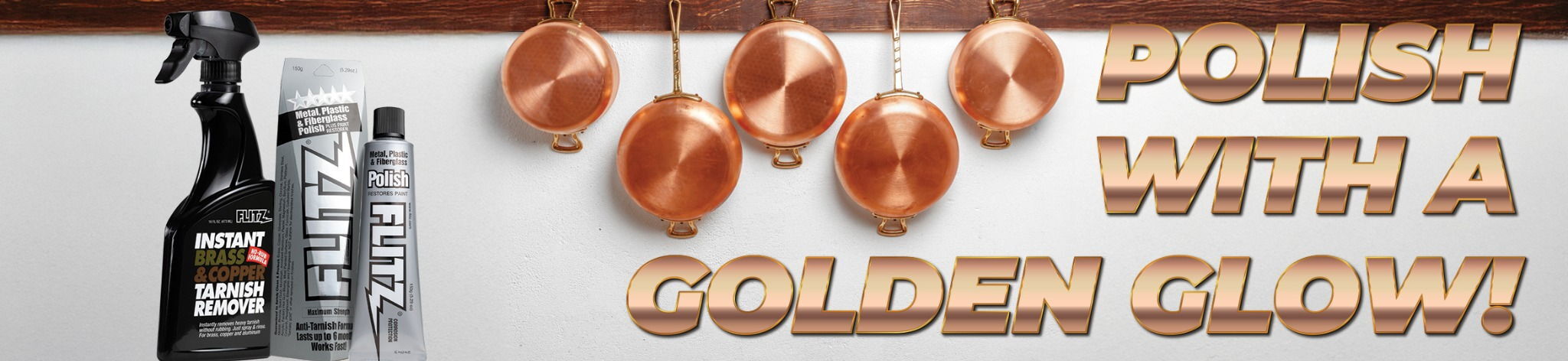
There's something timeless about the warm, golden shine of polished brass, the rich glow of copper, and the classic character of bronze. From antique door handles and decorative fixtures to copper cookware and marine hardware, these metals bring beauty and craftsmanship to everyday surroundings.
Over time, however, exposure to air, moisture, and everyday contaminants can leave metal surfaces looking dark, dull, or tarnished.
The good news? With the right products and techniques, you can restore the appearance of suitable brass, copper, and bronze surfaces without hours of scrubbing.
In this guide, we'll explain how to polish brass, how to clean tarnished copper, and how to care for bronze while avoiding common mistakes that can damage delicate finishes.
Brass Cleaner vs. Brass Polish: What's the Difference?
Before getting started, it's important to understand the difference between cleaning tarnished metal and polishing it.
Brass and copper cleaners are designed to remove tarnish, oxidation, and other buildup. A dedicated tarnish remover can be particularly useful for heavily discolored, unfinished metal surfaces.
Metal polishes remove remaining discoloration, help restore a smooth, reflective appearance, and can provide protection against future tarnishing.
For heavily tarnished, compatible bare metal, consider starting with Flitz Instant Brass & Copper Tarnish Remover, following the product's safety and application directions.
Then use Flitz Paste Metal Polish to bring out the metal's natural shine.
If your brass or copper has only light tarnish or surface dullness, Flitz Metal Polish alone may be sufficient.
Important: Not every metal surface should be polished. Plated, lacquered, coated, antique, and intentionally patinated finishes require special care.
How to Polish Brass, Copper, and Bronze: Step-by-Step
Step 1: Identify the Metal and Its Finish
The first step in restoring brass or copper is determining what you're actually cleaning.
Some household fixtures are made from solid brass or copper, while others have a thin metallic coating over another material. Bronze objects may also feature a natural or deliberately applied patina that should be preserved.
A magnet can provide a useful clue. If it sticks strongly to a brass-colored object, the object may have a steel core. However, a magnet that doesn't stick does not prove the object is solid brass.
Before applying any cleaning product, consider the following:
- Solid, unfinished brass: Can often be cleaned and polished using products intended for bare brass.
- Solid, unfinished copper: Can be polished to restore its warm, reflective appearance when appropriate for the item.
- Bronze: May be polished when an unfinished, bright-metal appearance is desired, but historic and decorative patinas should generally be preserved.
- Brass-plated or copper-plated metal: Thin plating can wear through. Avoid aggressive polishing and products not approved for plated surfaces.
- Lacquered or coated metal: Follow the coating manufacturer's instructions rather than using a bare-metal tarnish remover.
Flitz Instant Brass & Copper Tarnish Remover should not be used on plated, coated, chrome, or intentionally patinated finishes.
When in doubt, identify the finish and test a compatible cleaning method in an inconspicuous area before proceeding.
Step 2: Understand What Causes Brass and Copper Tarnish
Brass, copper, and bronze naturally react with their environment. Exposure to oxygen, moisture, and certain airborne substances can produce discoloration and oxidation on the metal surface.
On brass, tarnish often appears as a darker brown or dull finish. Copper can develop brown discoloration and, over time, a green or blue-green patina. Bronze may also develop protective or decorative patinas.
Whether that change should be removed depends on the item.
A decorative copper accent or unfinished brass fixture may benefit from cleaning and polishing. An antique bronze sculpture, however, might lose historical or aesthetic value if its patina is removed.
For compatible unfinished brass and copper with heavy tarnish, Flitz Instant Brass & Copper Tarnish Remover is designed to remove stubborn oxidation and discoloration.
Always use the cleaner according to its label and safety instructions. Protect surrounding surfaces, avoid incompatible finishes, and do not mix it with other cleaning chemicals.
Step 3: Clean the Surface and Remove Heavy Tarnish
Once you've confirmed that your metal and finish are suitable for treatment, you're ready to begin cleaning.
Start by removing loose dirt and debris. Use a clean, soft cloth and an appropriate cleaning method to avoid dragging grit across the metal during polishing.
For heavy tarnish on suitable bare brass or copper:
- Prepare your workspace. Work in a well-ventilated area and wear protective gloves and eye protection as directed by the tarnish remover's safety information.
- Apply the tarnish remover. Spray Flitz Instant Brass & Copper Tarnish Remover onto the compatible surface according to the product directions.
- Allow the cleaner to work briefly. Follow the label directions and do not allow the product to dry on the surface.
- Rinse thoroughly. Use plenty of water to remove the cleaner and loosened residue, following all product instructions.
- Dry completely. Use a clean, soft cloth to dry the surface before moving on to polishing.
For delicate pieces, avoid steel wool, aggressive brushes, or powered buffing equipment unless the item's manufacturer specifically permits them.
Pro Tip: If a metal surface has a clear coating or lacquer, a tarnish remover may not reach the underlying metal. Do not automatically strip the coating; first determine whether refinishing is appropriate for that particular item.
Step 4: Polish Brass or Copper to Restore the Shine
Removing tarnish is only part of the restoration process. Polishing helps bring out the smooth, reflective appearance that makes brass and copper so attractive.
For suitable unfinished metal surfaces, Flitz Paste Metal Polish is an excellent next step.
- Apply a small amount of Flitz Paste Metal Polish to a clean, soft cloth.
- Gently rub the polish over the metal surface, working in manageable sections.
- Continue polishing until the desired appearance begins to develop.
- Before the polish dries, buff away the residue with a clean Flitz Microfiber Polishing Cloth.
- Inspect the surface and repeat as needed on compatible areas.
You may notice dark residue on your polishing cloth. This can occur as tarnish and surface residue are lifted during polishing.
For decorative brass, you may prefer a soft golden glow. For unfinished copper, continued polishing can produce a brighter, more reflective finish.
The goal is to achieve the appearance you want without removing unnecessary material or damaging the original finish.
Step 5: Protect the Finish Against Future Tarnish
Once brass or copper is clean and polished, protection can help maintain its appearance and reduce the frequency of future polishing.
Flitz Paste Metal Polish leaves a protective finish that helps polished surfaces resist future buildup and discoloration.
For additional protection on compatible surfaces, consider Flitz Ceramic Sealant. Its water-resistant barrier helps repel moisture and everyday contaminants, making routine cleaning easier.
Only apply a sealant when the product is suitable for the particular metal, coating, and intended use. Follow the application instructions and test first where necessary.
For faucets and certain decorative fixtures, Flitz Faucet Wax Plus is another protective option designed to help reduce water spots, fingerprints, and everyday buildup on compatible finishes.
Do not apply polishes, waxes, or sealants to food-contact surfaces unless the product is specifically approved for that use.
Step 6: Maintain Your Brass, Copper, and Bronze
Regular maintenance helps preserve the results of your hard work.
For polished brass and copper, gently remove dust, fingerprints, and moisture with a clean, soft cloth. Avoid harsh scrubbers and unnecessary repeated polishing.
If light tarnish begins to develop, use a suitable polishing product according to the manufacturer's instructions.
For outdoor hardware and exposed metal fixtures, periodic inspections can help identify water staining, corrosion, or deterioration before extensive restoration becomes necessary.
Remember that some bronze and copper finishes are intended to darken naturally. If preserving the original patina is important, cleaning should focus on gentle maintenance rather than producing a mirror shine.
Can You Polish Copper Pots and Pans?
Copper cookware presents a special challenge because it may feature bare copper exteriors, lacquered decorative areas, stainless steel interiors, tin linings, or other finishes.
Not every cleaner or polish is suitable for every part of a copper pot or pan.
For unfinished copper cookware exteriors, consult the cookware manufacturer's care instructions before using a metal cleaner or polish. Avoid applying Flitz products to food-contact surfaces unless that particular product is specifically approved for the application.
It's also important to understand that freshly cleaned copper can develop new tarnish when exposed to air and moisture.
Removing oxidation restores the underlying metal's appearance, but it does not permanently prevent future discoloration.
Appropriate polishing and routine maintenance can help keep compatible decorative copper surfaces looking their best.
Common Brass and Copper Polishing Mistakes to Avoid
Even a high-quality metal polish cannot compensate for using the wrong technique or working on an incompatible finish.
- Polishing before identifying the finish: Confirm whether the surface is solid, plated, coated, or intentionally patinated.
- Using excessive pressure: Aggressive rubbing can scratch metal or wear through thin decorative finishes.
- Using the wrong cleaner: Tarnish removers intended for bare metals should not be used on incompatible plated or coated surfaces.
- Allowing cleaner to dry: Follow the product's directions for application time and thorough rinsing.
- Skipping the polishing step: A freshly cleaned metal surface may still benefit from polishing to achieve the desired shine.
- Overlooking future maintenance: Copper and brass can tarnish again, so regular care is important.
- Removing a valuable patina: Antique and historic finishes should be evaluated before any restoration work.
When dealing with valuable antiques, specialized finishes, or delicate decorative objects, consult a qualified restoration professional before polishing.
Frequently Asked Questions About Polishing Brass, Copper, and Bronze
What is the best way to polish tarnished brass?
First identify whether the brass is unfinished, plated, or coated. For compatible bare brass with heavy tarnish, use an appropriate tarnish remover according to its directions, rinse thoroughly, and dry. Follow with Flitz Paste Metal Polish and buff with a soft cloth to restore shine.
Can I polish brass without using a separate brass cleaner?
Yes. If the brass has only light tarnish or dullness, Flitz Paste Metal Polish may be sufficient to clean and polish the surface in one process. Heavier oxidation may require a separate cleaning step.
How do you make copper shiny again?
For unfinished copper suitable for polishing, remove dirt and tarnish with an appropriate product, then apply Flitz Metal Polish using a soft cloth. Buff the surface before the polish dries to bring out a brighter finish.
Can you use Flitz on bronze?
Flitz Metal Polish can be used on compatible bronze surfaces when polishing is appropriate. However, many bronze objects have decorative, natural, or historically significant patinas that should not be removed. Always identify the finish before proceeding.
Why does copper tarnish again after cleaning?
Copper naturally reacts with air, moisture, and environmental contaminants. Cleaning removes existing tarnish, but the metal can begin developing new discoloration over time. Proper maintenance and suitable protective products can help preserve the appearance of appropriate surfaces.
Should I polish antique brass or bronze?
Not necessarily. Antique pieces may have original finishes or patinas that contribute to their character and value. Before polishing a valuable antique, consult a qualified conservator or restoration professional.
Can I use brass tarnish remover on brass-plated fixtures?
No. Flitz Instant Brass & Copper Tarnish Remover is not intended for plated or coated surfaces. Follow the fixture manufacturer's instructions and choose a cleaning method appropriate for the finish.
Bring Back the Golden Glow with Flitz
Whether you're restoring an unfinished brass fixture, brightening decorative copper, or maintaining a compatible bronze surface, the right cleaning and polishing technique makes all the difference.
The key is understanding your metal, using products that match its finish, and following the proper steps.
For compatible unfinished metal, Flitz helps make the process straightforward:
Clean. Polish. Protect.
Start with Flitz Instant Brass & Copper Tarnish Remover when heavy tarnish requires additional cleaning. Restore the shine with Flitz Paste Metal Polish, and explore Flitz Ceramic Sealant or Faucet Wax Plus for appropriate protective applications.
With the right care, your favorite brass, copper, and bronze pieces can continue looking beautiful for years to come.
Explore the full range of Flitz cleaning, polishing, and protection products for your next restoration project.