
From Fingerprints to Flawless: How to Clean Stainless Steel Appliances
Posted by Flitz Premium Polishing Products on 12th Feb 2026
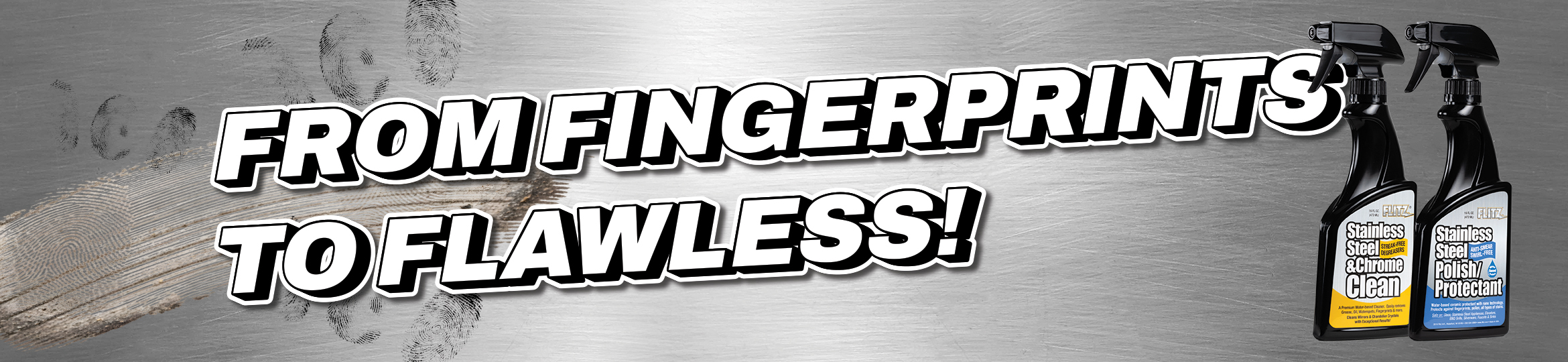
Fingerprints on your stainless steel refrigerator again? You're not alone. Stainless steel appliances look beautiful in the kitchen, but everyday fingerprints, cooking grease, water spots, and streaks can quickly take away their shine.
Fortunately, knowing how to clean stainless steel appliances can make maintaining that beautiful finish much easier. The key is understanding what type of stainless steel finish you have, removing dirt and oils properly, and choosing cleaning products that are compatible with your appliance.
Whether you're cleaning a refrigerator, dishwasher, oven, or range hood, we'll show you how to remove fingerprints from stainless steel, avoid streaks, and keep compatible surfaces looking their best.
What Is the Best Way to Clean Stainless Steel Appliances?
For routine cleaning, start with the appliance manufacturer's recommended method. Many ordinary, uncoated stainless steel surfaces can be cleaned using a soft microfiber cloth, warm water, and a little mild dish soap.
For compatible exposed stainless steel surfaces with heavier grease or fingerprint buildup, a dedicated cleaner such as Flitz Stainless Steel & Chrome Cleaner can help remove oils, fingerprints, and everyday grime without leaving an oily film.
For the best results:
- Identify whether the appliance has ordinary, brushed, fingerprint-resistant, or coated stainless steel.
- Remove loose dust and debris with a clean microfiber cloth.
- Apply a cleaning method approved for the appliance's finish.
- Wipe gently in the direction of the visible grain where appropriate.
- Remove any cleaner residue according to the product directions.
- Dry and buff with a second clean microfiber cloth to help prevent streaks.
Important: Fingerprint-resistant, black stainless steel, painted, and stainless-look surfaces may have protective coatings. Always follow the manufacturer's care instructions before applying stainless steel cleaners, polishes, or protectants.
Why Stainless Steel Appliances Show Fingerprints So Easily
Stainless steel is popular because it's durable, attractive, and resistant to many forms of corrosion. But stainless doesn't mean fingerprint-proof.
Several everyday contaminants make appliance surfaces look dirty:
- Hand oils: Natural skin oils leave visible fingerprints on refrigerator doors and handles.
- Cooking grease: Airborne oils collect on ranges, ovens, and nearby appliances.
- Food residue: Spills and splashes leave marks on appliance fronts.
- Water minerals: Droplets can dry into visible spots and streaks.
- Cleaner residue: Excess product or incomplete wiping may create a cloudy or uneven appearance.
- Dust: Fine particles become more noticeable when they collect on oily surfaces.
Often, the problem isn't damage to the stainless steel itself. It's a thin layer of oils or residue that can be removed with an appropriate cleaner and soft cloth.
Check Your Appliance's Finish Before Cleaning
Not all appliances marketed as stainless steel have the same surface finish. Before choosing a cleaning or polishing product, identify the finish using the appliance manufacturer's documentation.
Ordinary and Brushed Stainless Steel
Traditional exposed stainless steel often has a visible grain or brushed pattern.
For compatible ordinary stainless steel, start with gentle cleaning. When using a microfiber cloth, wipe in the direction of the visible grain if recommended by the appliance manufacturer.
Approved stainless steel cleaners can help remove fingerprints, grease, and residue. A separate compatible polish or protectant may be useful when additional shine or surface protection is desired.
Fingerprint-Resistant Stainless Steel
Many newer refrigerators and dishwashers feature fingerprint-resistant finishes that use a protective coating over stainless steel.
Although these surfaces may look similar to traditional stainless steel, they can have different cleaning requirements.
For example, some appliance manufacturers recommend mild soap, warm water, and a clean microfiber cloth while specifically advising against conventional stainless steel polish on their fingerprint-resistant finishes.
Do not automatically apply Flitz metal polish or stainless steel protectant to a fingerprint-resistant coating. Confirm that the appliance manufacturer specifically allows the treatment before using it.
Black Stainless Steel and Stainless-Look Finishes
Black stainless steel, painted metal, and stainless-look appliance panels can have specialty coatings that may be damaged by inappropriate cleaners or polishing.
Use the cleaning method specified for your model. Avoid attempting to restore these finishes with ordinary metal-polishing compounds unless the appliance manufacturer confirms compatibility.
How to Remove Fingerprints From a Stainless Steel Refrigerator
One of the biggest challenges in any kitchen is figuring out how to clean fingerprints off a stainless steel refrigerator.
Refrigerator doors are touched throughout the day. Handles, door edges, and frequently used areas collect skin oils, grease, and smudges that become especially visible under kitchen lighting.
Step-by-Step Refrigerator Fingerprint Removal
- Identify the finish. Check whether your refrigerator has ordinary stainless steel or a fingerprint-resistant coating.
- Remove loose debris. Wipe away dust and particles with a clean, soft microfiber cloth.
- Apply a compatible cleaner. For coated finishes, use the manufacturer's approved method. For compatible ordinary stainless steel, use mild soapy water or an approved stainless steel cleaner.
- Focus on frequently touched areas. Clean the refrigerator handles, door edges, and other smudge-prone surfaces.
- Wipe gently. Follow the direction of the metal grain when applicable.
- Dry and inspect. Use a second clean microfiber cloth to remove remaining moisture and prevent streaks.
For compatible exposed stainless steel, Flitz Stainless Steel & Chrome Cleaner is designed to remove fingerprints, grease, smudges, and everyday kitchen residue.
Follow the cleaner's application directions, avoid spraying into electronic controls or openings, and do not use the product on a specialty coating without confirming compatibility.
How to Clean Stainless Steel Refrigerator Doors
Large refrigerator doors can make uneven wiping especially noticeable.
Work in manageable sections, use a clean microfiber cloth, and avoid applying excessive cleaner. Clean the entire affected panel consistently rather than repeatedly rubbing one small area.
For ordinary brushed stainless steel, follow the grain when wiping. Finish by drying the surface with a separate, clean cloth.
If the door still looks streaky, check whether the streaks are caused by remaining grease, excess product, hard-water deposits, or a damaged finish before applying more cleaner.
How to Clean Stainless Steel Appliances Without Streaks
A clean stainless steel appliance should look bright and even, but streaks can remain when moisture or cleaning-product residue dries unevenly.
If you're struggling to clean stainless steel appliances without streaks, try these steps:
- Use a cleaner approved for the appliance's finish.
- Start with a clean microfiber cloth rather than one already loaded with grease or polish.
- Apply only the amount of cleaner recommended by the product manufacturer.
- Wipe consistently in the direction of the visible grain when appropriate.
- Remove residue as directed instead of allowing excess product to accumulate.
- Dry thoroughly with a fresh microfiber cloth.
Why Do Streaks Remain After Cleaning?
Streaks may be caused by several different problems:
- Too much cleaner: Excess product can leave visible residue.
- Dirty cloths: A cloth containing old oils or polish may spread residue instead of removing it.
- Hard water: Mineral deposits can leave marks after water evaporates.
- Incomplete drying: Moisture may dry unevenly across the surface.
- Incompatible products: Some cleaners may leave films or affect appliance coatings.
- Finish damage: Scratches or coating deterioration may resemble persistent streaks.
If you suspect hard-water deposits, see our guide to removing water spots. Always verify that the recommended treatment is appropriate for your appliance before applying it.
How to Polish Stainless Steel Appliances
Cleaning and polishing are two different steps.
Cleaning removes fingerprints, grease, dust, and everyday surface residue.
Polishing improves the appearance of a suitable metal surface and may help reduce dullness or visible oxidation.
For ordinary stainless steel appliances that have a compatible, exposed metal finish, polishing may provide additional shine. However, most routine fingerprint cleaning does not require metal polish.
For suitable surfaces that need polishing, Flitz Liquid Metal Polish offers an option for cleaning and polishing compatible metal finishes.
Before using any metal polish:
- Confirm that the surface is exposed stainless steel rather than a coated finish.
- Check the appliance manufacturer's instructions for polishing restrictions.
- Remove dirt and grit before polishing.
- Test the product on an inconspicuous compatible area.
- Follow the Flitz product's application and buffing directions.
- Avoid aggressive polishing or powered attachments on delicate appliance finishes.
Do not assume a dull-looking appliance needs polishing. If the problem is ordinary fingerprints or cleaner residue, start with cleaning instead.
Watch Flitz Clean Stainless Steel Appliances
See Flitz products demonstrated in a real kitchen, including methods for cleaning fingerprints, grease, streaks, and other everyday buildup from stainless steel surfaces.
Note: The demonstration does not replace the care instructions for your particular appliance. Confirm finish compatibility before using cleaners, polishes, or protectants.
Watch the Flitz stainless steel appliance cleaning demonstration on YouTube.
How to Help Keep Fingerprints Off Stainless Steel Appliances
Removing fingerprints is one thing. Keeping them from returning immediately is another.
Although no cleaning routine can guarantee that fingerprints will never appear, proper care can make everyday maintenance easier.
Start With a Clean Surface
Remove oils, grease, and old cleaning residue before applying any approved protective product.
For compatible exposed stainless steel, Flitz Stainless Steel & Chrome Cleaner helps prepare the surface by removing everyday contaminants.
Consider a Compatible Stainless Steel Protectant
Once a suitable exposed stainless steel surface has been cleaned, Flitz Stainless Steel Polish & Protectant provides a nano-ceramic protective finish designed to help reduce the appearance of fingerprints, smudges, and water spots.
Follow the product's directions, work with the metal grain where appropriate, and buff to an even finish.
Important: Do not apply this protectant to fingerprint-resistant, black stainless steel, painted, or other specialty appliance coatings unless their manufacturer approves the product.
Maintain Your Appliances Between Deep Cleanings
- Wipe frequently touched areas with a clean, soft microfiber cloth.
- Clean up spills and splashes promptly.
- Remove cooking grease before it accumulates.
- Keep cleaning cloths free of old polish and oily residue.
- Use only cleaning products compatible with the appliance's finish.
- Dry surfaces after cleaning to help prevent water spots.
Regular maintenance can help your refrigerator, dishwasher, and oven look cleaner without repeated intensive polishing.
Cleaning Other Stainless Steel Kitchen Appliances
Stainless Steel Dishwashers
Dishwasher fronts are exposed to fingerprints, water droplets, and food residue.
For compatible stainless steel panels, remove dirt with an approved cleaner and soft cloth. Pay attention to handles and areas near the control panel while avoiding moisture entering controls or seams.
Dry the panel thoroughly after cleaning.
Stainless Steel Ovens and Ranges
Ovens and ranges often collect cooking grease, food splatters, and fingerprints.
Wait until exterior surfaces are cool before cleaning. Follow the appliance manufacturer's instructions and avoid applying products near hot surfaces, burners, ventilation openings, or electrical components.
Use a compatible degreasing cleaner when necessary and wipe away residue as directed.
Stainless Steel Range Hoods
Range hoods frequently collect airborne grease, particularly around the lower edges and cooking area.
For compatible exposed stainless steel, clean with a suitable degreaser and microfiber cloth while following the metal grain where applicable.
Do not spray cleaning products into fans, electrical components, or ventilation openings.
Choosing the Right Flitz Products for Stainless Steel Appliances
Flitz offers different products for cleaning, polishing, and protecting compatible stainless steel surfaces. These are distinct tasks, and not every appliance needs all three steps.
Flitz Stainless Steel & Chrome Cleaner
Flitz Stainless Steel & Chrome Cleaner is a water-based cleaner and degreaser designed to remove grease, fingerprints, smudges, and everyday residue from compatible stainless steel and chrome surfaces.
It's a practical first step for routine maintenance on approved exposed stainless steel finishes.
Flitz Stainless Steel Polish & Protectant
Flitz Stainless Steel Polish & Protectant is designed for use after cleaning on compatible surfaces.
Its protective formula helps maintain shine and reduce the appearance of future fingerprints and water spots.
Flitz Stainless Steel Appliance Kit
For compatible stainless steel appliances that need a more complete cleaning, polishing, and protection routine, explore the Flitz Stainless Steel Appliance Kit.
The kit brings together products and microfiber cloths for the different stages of stainless steel care.
Before using the full system, confirm that your appliance's finish is suitable for every step. A fingerprint-resistant or coated appliance may require only the manufacturer's approved gentle cleaning method.
Why Microfiber Cloths Matter
A quality microfiber cloth can make a significant difference when cleaning stainless steel appliances.
Microfiber helps lift fingerprints, dust, grease, and other surface contaminants while minimizing lint left behind.
Using separate cloths for cleaning and final drying can also help prevent streaks caused by residual cleaner.
For routine cleaning and buffing, explore the Flitz Premium Microfiber Polishing Cloth.
Always use a clean cloth and avoid aggressive scrubbing, especially on coated or delicate appliance finishes.
Common Stainless Steel Cleaning Mistakes
Avoid these common mistakes to help preserve your appliance's appearance:
- Ignoring the appliance finish: Products suitable for ordinary stainless steel may not be approved for coated or fingerprint-resistant finishes.
- Using abrasive pads: Steel wool and harsh scrubbing materials can scratch or damage appliance surfaces.
- Applying too much cleaner: Excess product may leave streaks or residue.
- Reusing greasy cloths: Dirty cloths can spread oils instead of removing them.
- Polishing unnecessarily: Routine fingerprints usually require cleaning rather than metal polishing.
- Using household chemicals without checking compatibility: Window cleaners, ammonia, vinegar, bleach, and other chemicals may be unsuitable for certain appliance finishes.
- Cleaning hot surfaces: Allow ovens, ranges, and other heated exterior panels to cool before cleaning.
- Trying to polish away coating damage: Deep scratches and damaged protective finishes may require professional service.
Frequently Asked Questions About Cleaning Stainless Steel Appliances
How Do You Get Fingerprints Off Stainless Steel?
Use a soft microfiber cloth and a cleaning method approved for the appliance's finish. Mild soapy water is appropriate for many surfaces, while a compatible stainless steel cleaner can help remove oils and stubborn fingerprint buildup from approved exposed metal finishes.
What Is the Best Way to Clean Stainless Steel Appliances Without Streaks?
Use a clean microfiber cloth, avoid excessive cleaner, wipe with the grain where recommended, and dry the surface thoroughly with a second clean cloth. Persistent streaks may indicate leftover grease, product residue, hard-water deposits, or finish damage.
How Do You Clean Fingerprint-Resistant Stainless Steel?
Follow the appliance manufacturer's instructions. Many fingerprint-resistant coatings are designed to be cleaned with mild soap, warm water, and a soft microfiber cloth. Conventional stainless steel polish may not be approved.
Can You Use Windex on Stainless Steel Appliances?
It depends on the appliance's finish and the manufacturer's care instructions. Some coated and fingerprint-resistant finishes specifically prohibit window cleaners. Do not assume a glass cleaner is suitable for every stainless steel appliance.
How Do You Clean Black Stainless Steel Appliances?
Black stainless steel commonly has a specialty surface finish. Use the cleaning method approved for the specific appliance model, and avoid ordinary metal polishing compounds unless the manufacturer confirms compatibility.
How Can You Keep Fingerprints Off Stainless Steel?
Regularly remove skin oils and grease with an approved cleaner and clean microfiber cloth. For compatible exposed stainless steel, a suitable protectant may help reduce the appearance of fingerprints between cleanings. Coated appliances require manufacturer-approved care.
Can You Polish a Stainless Steel Refrigerator?
Some refrigerators with ordinary exposed stainless steel finishes may be suitable for polishing, but many modern models have protective coatings. Confirm the finish and the manufacturer's polishing recommendations before using any metal polish.
Why Does My Stainless Steel Refrigerator Still Look Streaky?
Streaks can result from excess cleaner, oily residue, dirty cloths, hard-water deposits, or incomplete drying. If the marks do not respond to the approved cleaning method, check for coating damage rather than repeatedly scrubbing or polishing.
Can Flitz Remove Scratches From Stainless Steel Appliances?
Some compatible exposed metal surfaces may respond to appropriate polishing, but deep scratches or damaged appliance coatings are different problems. Never assume a metal polish will restore a fingerprint-resistant or black stainless steel coating.
For more information about surface damage, read our guide to scratches on metal and other surfaces.
Keep Your Stainless Steel Appliances Looking Their Best With Flitz
Clean stainless steel appliances make a noticeable difference in any kitchen. Whether you're dealing with fingerprints on your refrigerator, grease on the oven, or streaks across your dishwasher, the right cleaning routine can help maintain a beautiful finish.
Start by identifying your appliance's finish. Remove everyday oils and residue with an approved cleaner, use clean microfiber cloths, and consider polishing or protection only when the surface is compatible.
For approved exposed stainless steel surfaces, Flitz Stainless Steel & Chrome Cleaner helps remove everyday buildup, while Flitz Stainless Steel Polish & Protectant offers an additional finishing option.
Want a complete system for compatible appliance finishes? Explore the Flitz Stainless Steel Appliance Kit.
Clean. Polish when appropriate. Protect compatible surfaces. Keep your kitchen looking its best with Flitz.