

How to Clean and Polish Antiques & Collectibles Without Damaging Them
Posted by Flitz Premium Polishing Products on 20th Feb 2026
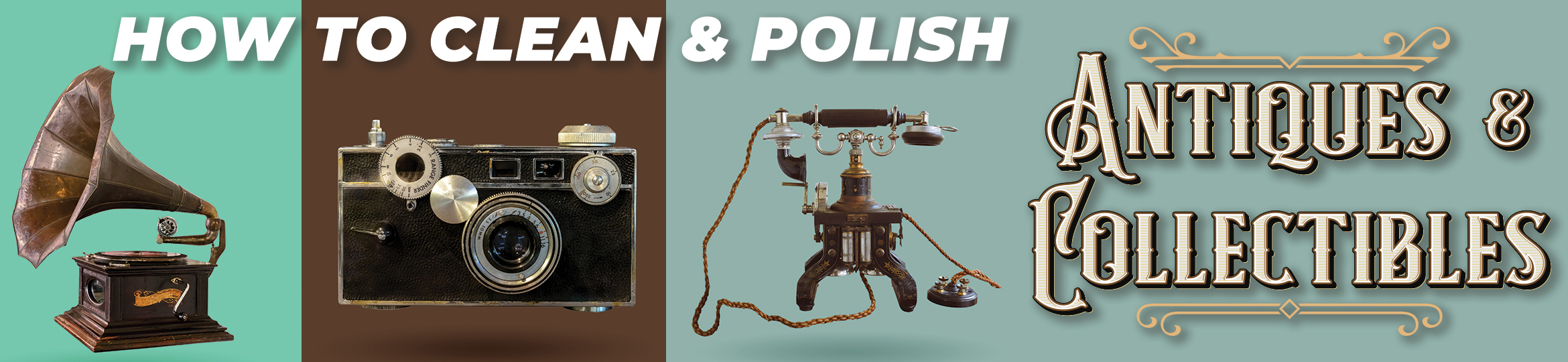
Chances are, you have some heirlooms, antiques, and collectibles around your house. Even if you’re not ready to be the next guest on an antiques reality program, these items likely hold some history, sentiment, and possibly financial value.
Chances are also that these antiques could use some love. Often with a cleaning and polish, antiques go from the back of the shelf to center stage. If you’re ready to give your antiques a facelift, here’s how to make sure you don’t wreck them in the process.
Key Takeaways
- Gentle care protects value. Always use non-abrasive products and a light touch to avoid scratching finishes or removing desirable patina.
- Identify materials before polishing. Metals, glass, porcelain, and mixed-material antiques each require different products and techniques.
- Clean first, polish second. Removing dust and grime prevents micro-scratches and ensures a better shine.
- Protect after polishing. A sealant layer helps slow tarnish, corrosion, and environmental damage, so you don’t have to polish as often.
Why Antiques Require Special Care
Antiques are, well, old. That means they’ve been through a lot. They’ve seen a lot. And often they’ve collected a lot of grime, grunge, dust, rust, and tarnish along the way.
The biggest mistake that antique owners make is going too aggressively with harsh cleaners and abrasive products. Scrubbing an antique until it’s shiny and sparkling can be dangerous if it isn’t done with a careful approach.
Antiques and heirlooms need to be babied. Proper polishing is all about cleaning, restoring luster, and protecting the surface. You’re not trying to make it look “brand new,” but instead, you’re trying to make it look its best.
The best approach is to reach for the Flitz. Flitz products are ideal for delicate items because they’re non-abrasive, non-acidic, and safe for most of your precious items.
Older pieces usually have thinner finishes. The patina needs to be preserved, not stripped and scrubbed. Antiques are also often comprised of mixed materials. Pieces might feature metal, glass, paint, and enamel all in one. So, you need a cleaner that can handle it.
Harsh cleaners can cause all sorts of issues with antiques, like scratching, removal of the desired patina, chemical staining, and more. Ultimately, this leads to the loss of value for your most treasured pieces (not to mention sadness).
The goal with antiques is conservation polishing, not aggressive restoration. But the first step is making sure you know what you’re working with.
Step 1: Identify the Material Before You Polish
Look at your antique piece. What is it made of? Silver? Brass? Copper? Bronze? Gold-plating? Sometimes there may be a small sticker or an engraving on the bottom that identifies the materials.
If you’re unsure, always test a very small area first. For most metal pieces, Flitz Paste Metal Polish is your go-to hero. For most pieces, it will effectively remove tarnish, smudges, grime, and more.
For brass and copper tarnish that’s severe, with heavy oxidation, Flitz Instant Brass & Copper Tarnish Remover can help you cut through the heavy stuff (but always test first and use with caution).
What about glass, porcelain, enamel, and other precious pieces? For figurines, vases, decorative tableware, and painted collectibles, you need a product that gives you gentle cleaning and a streak-free finish. Flitz Paste Metal Polish is a great way to bring back the beauty.
For those pieces that are mixed materials, like clocks, decorative instruments, furniture hardware, and jewelry boxes, the name of the game is spot treatment. Test the piece before you go all in. While Flitz Paste Metal Polish is safe for surfaces, you’ll want to make sure your piece can withstand a gentle Flitz update.
Step 2: Let’s Talk Testing: Always Test First
Antiques can be valuable—both in sentimental and monetary value. It can be truly devastating if something gets damaged.
Again, while Flitz Paste Metal Polish is safe for surfaces, you should always do a small test in a hidden area before proceeding with the entire piece.
Rub on a tiny amount of Flitz Paste Metal Polish and then rub it off the area with a microfiber cloth. Look for discoloration or finish changes that might be unwanted. Testing is especially crucial on plated items and lacquered surfaces.
If and when your test is complete, you can clean, polish, and restore your piece with confidence.
Step 3: Clean First, Then Polish
Channel your inner antiques restorer to clean the surface of your precious item first. Dust it off using a soft brush or microfiber. Make sure all the grit and grime are removed. Just like polishing a dirty car, polishing any dirty surface can lead to micro scratches. Start with a nice, smooth surface.
If it still seems dirty, you can do a light pre-cleaning with Stainless Steel & Chrome Cleaner. Test first, and be sure to dry the surface completely before you move on to the next step.
Step 4: How to Polish Antiques Safely
Now that you’ve done the steps above, your piece is ready to polish. Flitz Paste Metal Polish is a perfect choice.
Start with a small, pea-sized amount of Flitz Paste Polish. Apply to the surface of your item with a microfiber cloth. Move the Paste in a gentle circular motion, letting it haze slightly (but don’t let it dry). Wipe off the Paste and use a Flitz Microfiber Cloth to buff to a clean, fresh, and beautiful finish.
Flitz removes tarnish, oxidation, water spots, and even light rust. It restores shine, without removing or damaging the base metal. It’s also safe for glass and porcelain.
What about heavily tarnished brass or copper pieces? For tough tarnish, you can reach for Flitz Instant Brass & Copper Tarnish Remover. The stronger formulation can help cut through the heaviest oxidation, but proceed carefully—overuse can damage the patina. Once you’ve removed the tarnish, follow with Flitz Paste Metal Polish for a final protective shine.
When you buff the piece, apply light pressure only. Use a fresh cloth for each section. For intricate pieces with carvings or engravings, a soft brush can help you make sure you’ve cleaned out the nooks and crannies.
Finally, while we love the Flitz BuffBall for most jobs, you may want to avoid using your power tools on antiques. It’s always best to proceed with gentle caution, rather than go hard and have regrets later.
Step 6: Lock in Protection with Sealant
Once your piece is shined up and looking fresh, you can keep it that way with Flitz Ceramic Sealant. The sealant is safe for most surfaces, creating a protective, hydrophobic barrier.
Flitz Ceramic Sealant protects and prevents tarnish, corrosion, and fingerprints, to extend the life of your important pieces. It also reduces the need for frequent polishing.
If you want to add the idea finishing layer, reach for Flitz Ceramic Sealant for silver, brass, decorative metal pieces, and even display collectibles.
Common Antique Polishing Mistakes to Avoid
We’ve talked about what you should do; let’s talk about the moves to avoid, if you want to keep those heirloom knick-knacks and antiques looking their best.
- Avoid using abrasive pastes. Flitz Metal Paste Polish is non-abrasive, making it a safe choice for your collectables. Other polishes on the market? Not so much. Only trust your most important items to Flitz.
- Don’t over-polish. Again, due to the natural aging process with antiques, it may not be possible to restore them to “like new” status. If you notice patina removal, stop and call it a day.
- Don’t skip the test spots. It’s tempting to just skip over the “testing” step and get to the shine, but with something important to you and your family, you’ll want to test it carefully first. Don’t skip testing.
- Don’t polish wood with metal products. Flitz Paste Metal Polish is generally safe for wood and leather surfaces, but it won’t clean or add shine. It’s best to use wood polishing products for wood, and Flitz Paste Metal Polish on your metal surfaces.
- Don’t follow DIY recipes. Everyone has a recipe for polishing metal and other antiques. Most of them are unhelpful, and some are even dangerous. Ammonia, vinegar, acids, and other chemicals can damage antiques surprisingly quickly. This is one time when it’s best to err on the side of caution and avoid those “home remedies.” Choose a product made for the job, like Flitz.
Keeping Antiques Looking Good for the Long Haul
Antiques have already had a long life, due to their very nature (they are antiques, after all). But once you have those precious heirlooms polished and refreshed, you’ll want to keep them in tip-top shape for the future.
As with most items, cool, dry storage is the key to protecting the finish. Humidity is the enemy of preservation and can quickly cause even the most well-made pieces to deteriorate.
Use anti-tarnish cloths, especially for storing silver pieces, which can tarnish quickly when stored.
When you decide to bring out your heirloom, handle it with clean hands. Oils and grime from our hands can stick to surfaces, causing them to degrade faster. They can also attract more dust and dirt to the surface.
As for the antiques you have out, keep them out of direct sun, if possible, and give them a regular light dusting. Polish items only when it’s needed, because too much polishing can actually cause more wear. Sealants like Flitz Ceramic Sealant can protect the surface and reduce the need to polish as often.
Flitz is excellent at helping you preserve the story and the shine behind your treasured pieces. Flitz Paste Metal Polish is non-abrasive and non-acidic. It cleans, polishes, and protects in one. You’ll save your storage (and your grocery bill) by using Flitz—a true multi-tasker.
Flitz Paste Metal Polish leaves a protective barrier and helps antiques stay their best for as long as possible. That’s why collectors and restorers trust Flitz—it’s dependable, and it works.
Antiques carry your history and value. It’s worth going the extra mile to ensure you have the right products to make restoration and upkeep safe and simple.